


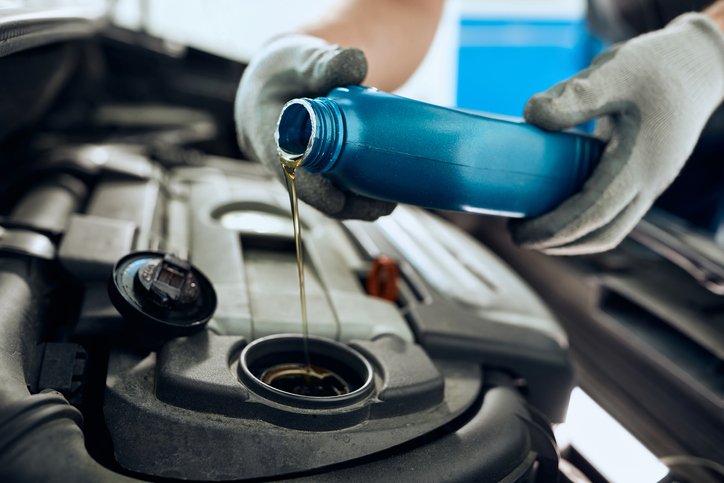
How many litres of oil does a car take? This is a question many motorists ask themselves, especially when planning an oil change or checking the oil level. The amount of engine oil required can vary depending on the type of vehicle, engine size, and manufacturer's specifications. In this blog, we'll explain how many litres of oil are needed on average, why it's important to use the correct amount, and how to easily top up your engine oil.
The Importance of Motor Oil
The oil in your car is one of the most important Fluids in your car. Firstly, it is naturally a lubricant, which ensures that the moving parts of your car rub against each other as little as possible. This leads to wear on the parts and negative fuel consumption and reduced engine efficiency. Engine oil also cools at the lubrication points and has a cleaning effect. It transports small wear particles to the oil filter, from where they are discharged. This prevents blockages in the oil bores. Finally, the oil forms a seal and prevents rust formation.
How many litres of oil does my car take?
The amount of oil in your car depends on the type of car you have. In a small, light car the oil level is around four litres, but larger 4x4s can easily require eight litres of oil. You can find out how much oil your car takes by using your registration number. For example, on oliedienst.nl, you can enter your registration number and it will show you exactly how much oil your car needs. Furthermore, you can find this information in your car's service booklet or manual.
Can I estimate how many litres of oil go into my car?
You can also estimate how many litres of oil your car needs. You do this based on the cylinders. An engine with four cylinders needs approximately 3.5 to 4.5 litres of oil. A six-cylinder engine needs approximately 4.5 to 5.5 litres of oil. An eight-cylinder engine uses about 5.5 to 7.5 litres of oil.
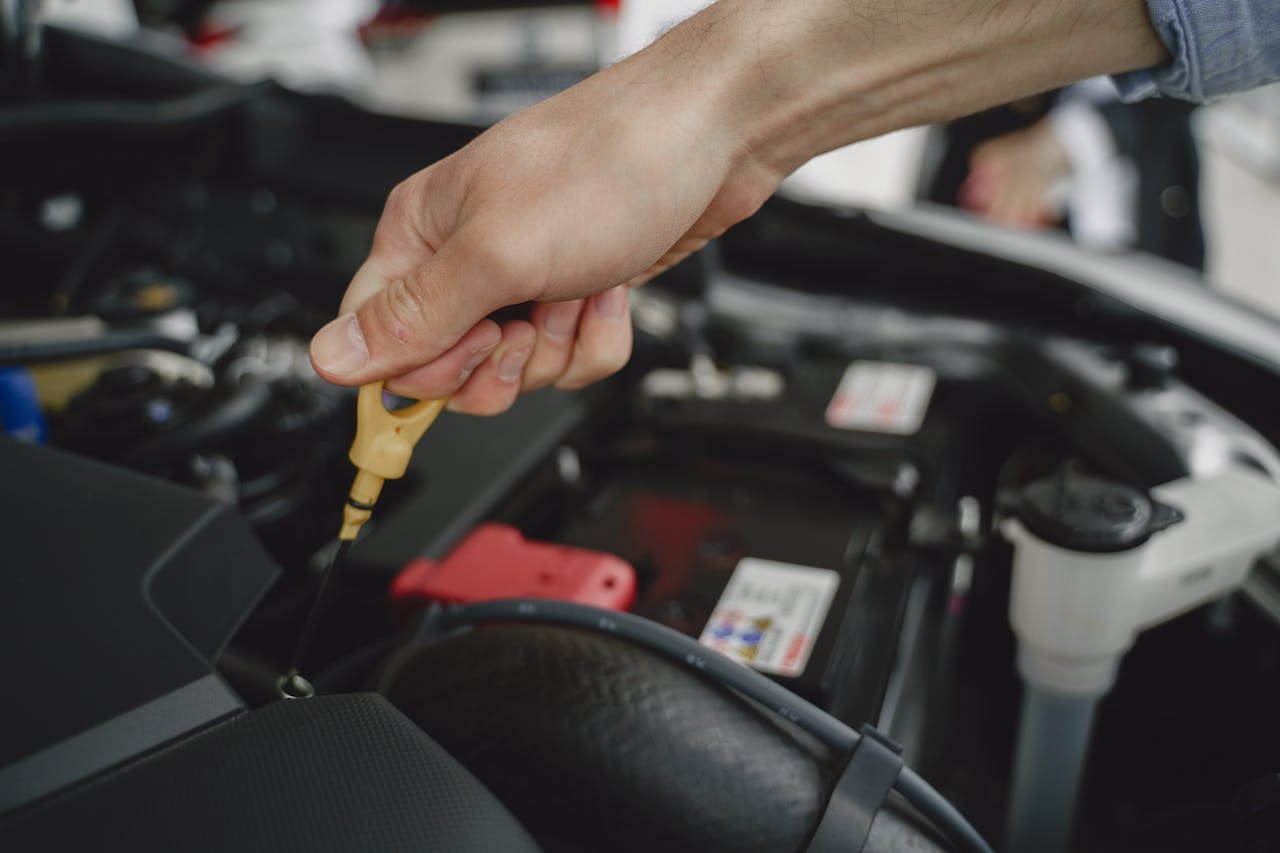
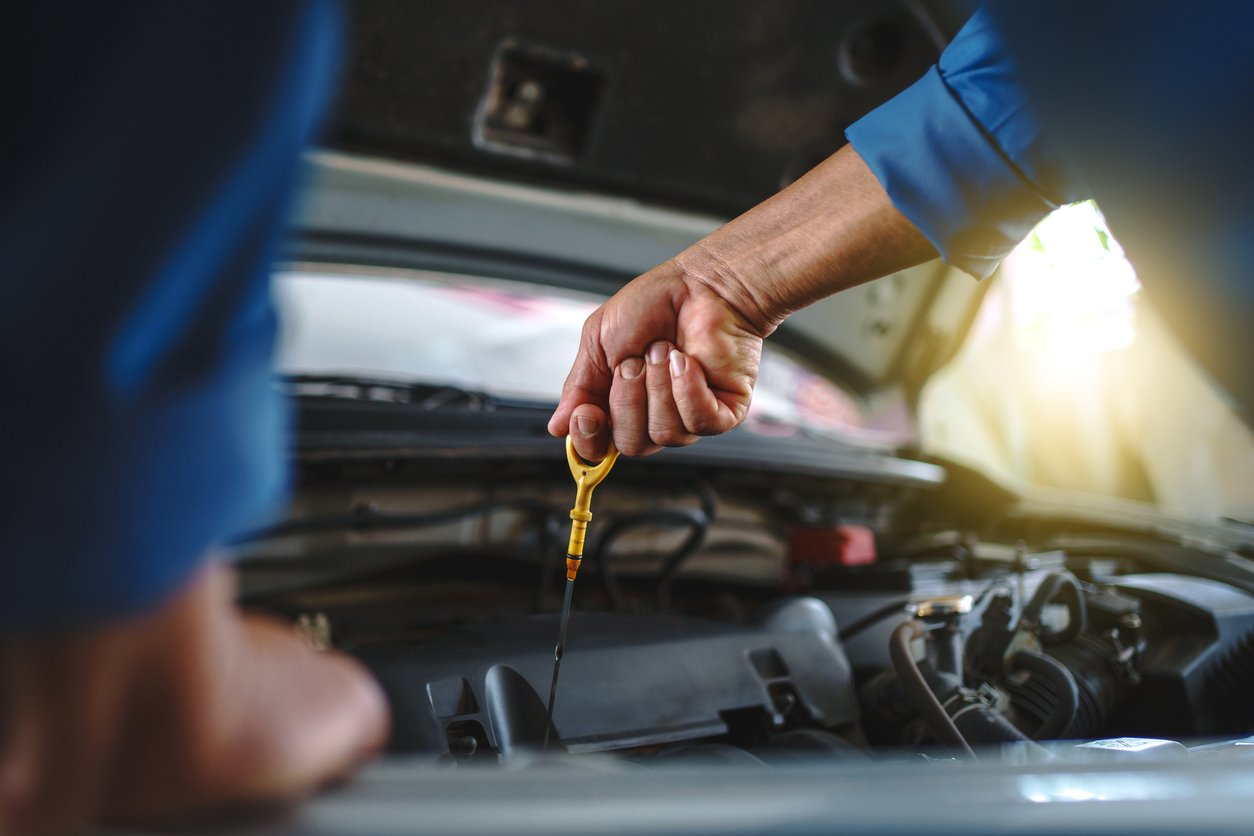
You should top up the oil level when it is below the minimum mark on the dipstick.
You need to top up your engine oil, after the Checking the oil level. When the oil is between the minimum and maximum marks, the oil level is fine. If the level has dropped below the lowest mark, you should top up the oil. You don't just need to top up your oil, but sometimes also to change it. As a general rule, you should change the oil every 15,000 kilometres or once a year. This is especially important when you use your car for short distances, because in city traffic an engine cannot reach the correct temperature and the oil ages faster.
How much oil do you use in your car?
Older cars in particular do use some oil, but average oil consumption is one litre per 5,000 kilometres. If you're using a litre of oil in less than 5,000 kilometres, and especially with consumption of one litre per 500 kilometres, you should take your car to the garage. This oil consumption indicates mechanical problems, such as worn or even broken piston rings or stuck oil scraper rings.
How do you top up the oil in your car?
Topping up your engine oil can easily be done yourself in three steps:
- Ensure your engine is cold (at least ten minutes off) and that your car is on a level surface.
- Pour small amounts into the engine through a funnel. After half an hour, check that the engine oil is above the lower markings.
- If there's enough oil in the tank, don't forget to tighten the cap firmly.
You can also have the oil level topped up in the garage.