


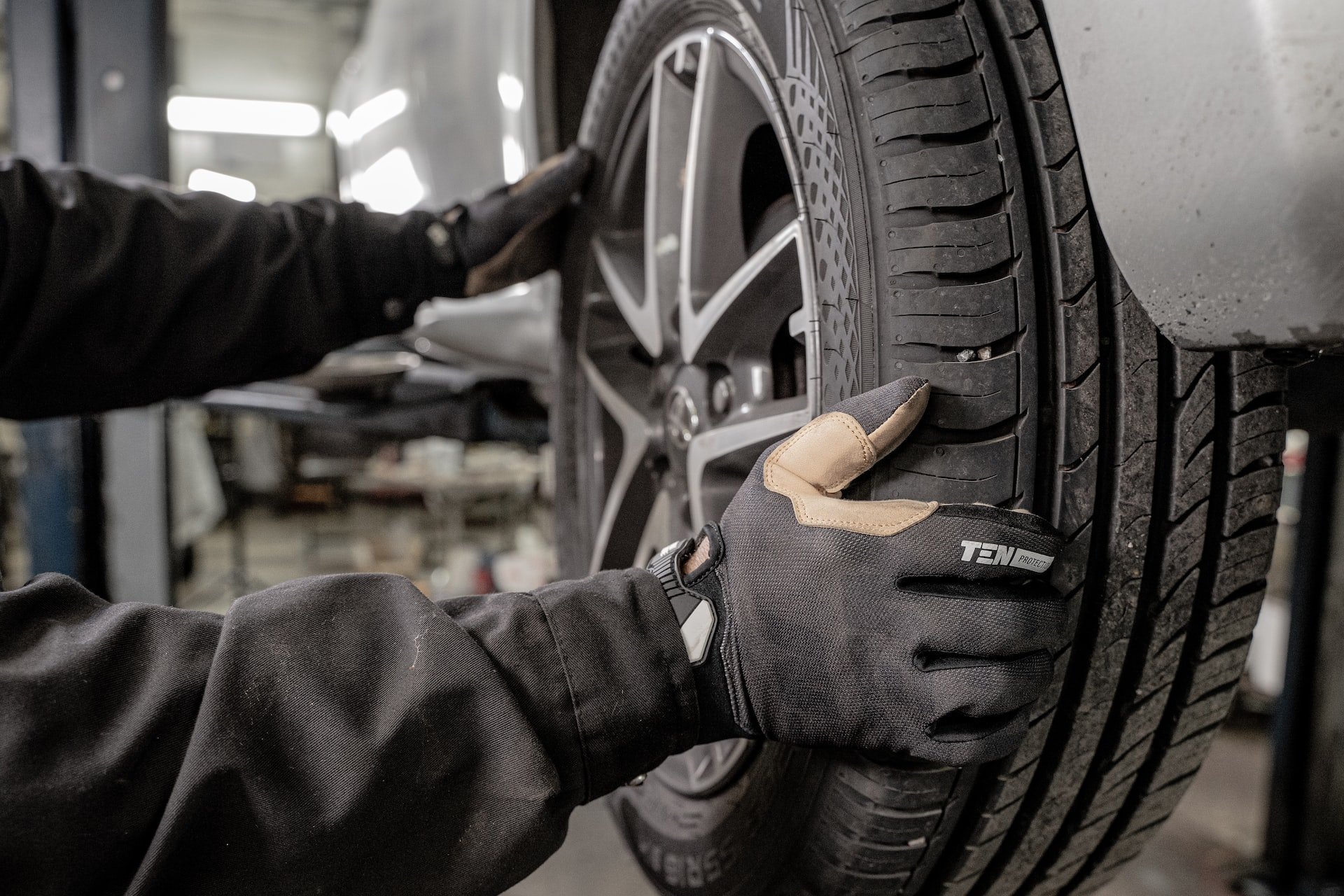
Is it Time for new car tyresYou can, of course, choose to buy a set of four new tyres straight away. In that case, it doesn't matter which axle (front or rear) you fit each tyre on. But what about when you only need to replace two tyres because they're worn out? Should you automatically put the new tyres in the place of the worn-out ones, or is it smarter to swap the front and rear tyres? In this blog, we'll give you advice on whether you should best fit the tyres at the front or the rear..
New tyres, best tread front or rear?
You can better place the tyres with the best tread on the rear axle, to promptly answer the question: where should the new tyres be fitted? Both front and rear have their advantages, but what Ones When it comes to it, the rear is definitely preferred.
Why are the rear tyres the best to place?
Rear tyres are more prone to losing grip. It is much harder to correct a rear-wheel slide (oversteer) than a front-wheel slide (understeer). For this reason, it is better to fit the best tyres on the rear axle. This will create more stability and safety.
Imagine you are in an emergency situation: you are driving quite fast on the motorway and suddenly see an obstacle in the road that you need to avoid. When you jerk the steering wheel, the rear axle experiences the most ‘load’. The rear tyres are the most susceptible to loss of grip. Loss of grip on the rear tyres is almost impossible to correct or regain control of. Should the front tyres lose grip, you as the driver can still manage this reasonably well by steering.
An extra reason not to put the new tyres on the front axle
If you were to put the best tyres on the front axle, the steering and pedals can feel so safe and stable that you'd be tempted to drive too fast. Faster, in fact, than the rear tyres can handle. Because as soon as you're driving too fast and the rear wheels start to skid on a bend, it's often impossible to recover the situation and stabilise the vehicle.
Why some prefer to place the tyres at the front
Opinions are often divided on whether it's better to put your best tyres on the front or the back. Why is that? If you have your newest, best tyres fitted to the rear axle, it can make certain situations a little more difficult. This includes braking and steering on a wet road surface in cars without ESP, or resisting aquaplaning. However, if you encounter one of these kinds of problems, it is much easier to stabilise your car than if you experience a loss of grip on the rear tyres. This is because it is far more unexpected, dangerous, and harder to get under control. Therefore, our answer is an unreserved “at the back” to the question of whether your tyres are better fitted to the front or the back.
Further tips when fitting new tyres (front or rear)
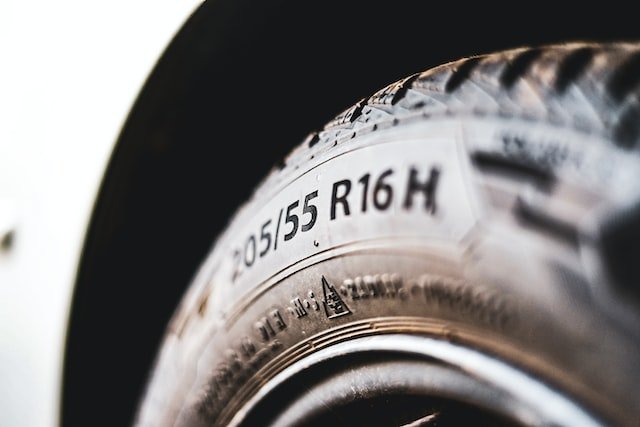
Now that you know why it's smart to put the best tyres on the front or rear, we'd like to give you a few more tips on fitting them. The most important thing is to replace your tyres promptly when a large difference in tread depth becomes noticeable between the tyres. As soon as you replace two of the four tyres, these must be replaced with two identical or comparable car tyres. It's not necessarily important for the brand to be identical, but the tyre characteristics should be the same.
Fitting tyres yourself or having them fitted?
If you or someone in your circle has a bit of knowledge about cars, you can naturally choose to fit the car tyres yourself. However, it is advisable to outsource this work to a professional. You will spend around 10 to 25 euros per tyre, but you will then know that the tyres are fitted correctly and safely. The rate depends on the tyre inch size. The bigger the tyre, the more difficult it is and the longer it takes to fit the tyres. However, fitting tyres doesn't take that long. Usually, a tyre is fitted within 10 to 15 minutes.