


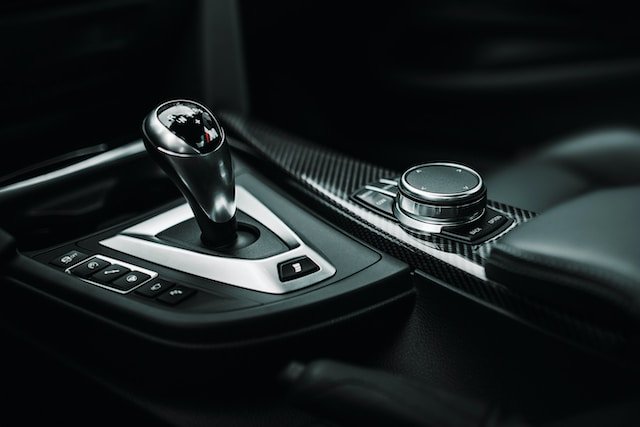
Driving an automatic in the snow is a bit different to driving a manual car. Read in this blog how to drive a manual car in the snow. Snow and an automatic transmission don't go well together, because you feel less confident about your grip. The most important thing you need to know about driving an automatic in the snow is not to drive in neutral. For more tips and explanations about driving an automatic in the snow, please read this article.
Slippery conditions are treacherous
When there is snow or ice on the road, driving an automatic is more dangerous because you cannot properly feel if and when you have grip on the road. Gritting and clearing the roads helps with this. However, this only works when gritting has been done in good time and when other traffic has driven over it beforehand. Because an automatic changes gear itself and you therefore don't feel if you have grip, you are less able to anticipate the slipperiness with an automatic.
Automatic and snow: winter mode on
Driving an automatic car in the snow doesn't have to cause problems, provided you stick to a few basic rules. For example, it's best not to drive in neutral (N), but to press the winter button on your automatic. This winter mode ensures that the car's engine changes gear later. This is particularly useful when you're just setting off.
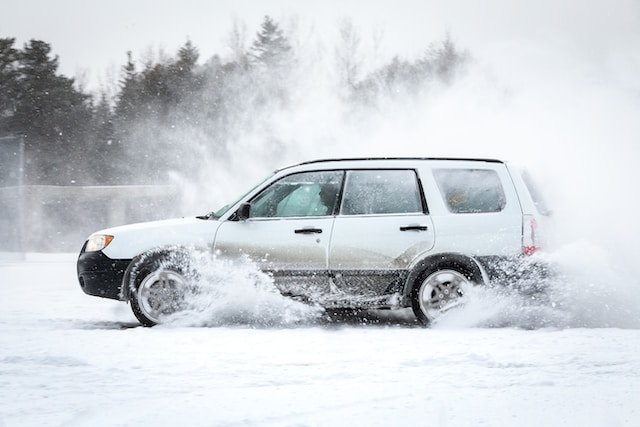
Capitalising on winter weather is important
In any case, drive slowly and try to anticipate. You'll control your car using the accelerator and if you have other gears besides Drive (D), use them to control your car's speed when descending.
Put the foot down in moderation
Driving an automatic in the snow means you also need to accelerate gently and release the brake carefully. In both cases, it is advisable to act slowly and with control. An automatic takes a lot longer to brake. Therefore, it is also important to anticipate and start braking earlier than usual. Also, keep a safe distance from the car in front of you.
What to do with the start/stop system?
When driving an automatic car in snow, you can simply leave the start/stop system active. The engine will only be switched off when it is safe to do so. This engine management is actually a smart system that monitors whether it is safe to switch off the engine while you are driving. You do not need to anticipate this yourself; it happens automatically.

Welke banden om te gebruiken op een automatische auto in de sneeuw?
In this article, we explain why winter tyres are recommended when driving in snow and what the risks are of driving with summer tyres.. However, does this also apply to driving an automatic car in snow? Precisely because you need to anticipate better with an automatic, it is important with this type of car that you have winter tyres. These tyres are certainly recommended if you use your car a lot and have to drive long distances, as they offer extra grip on slippery surfaces. Four-season tyres can also be used with an automatic, as you don't need to have them replaced after winter. This saves you extra costs for, for example, the storage of your winter tyres. Read more about storing your winter tyres in this article.

One Response
What I'm missing from this text is the difference in slippy conditions between a manual car and an automatic car, which I believe is a significant difference. I had an anti-skid course with a manual car, and in slippery conditions, you shouldn't brake or should brake very little, but with an automatic, you need to use the brake, even when it's slippery. How should I deal with that, in your opinion?