



Technology doesn't stand still. We continue to develop new concepts, techniques, and theories. This has changed our lives significantly, but it will also drastically alter them in the future. To give you an idea of what the future holds for cars, we've compiled the latest trends and developments in the automotive industry for you here.
Automotive industry trends: The EACSY principle
A study into the trends and developments in the automotive sector revealed that around 2030, five trends will shape the industry. This study was based on input from car users and their mobility patterns. The five trends in the automotive sector are known by the acronym EACSY, which stands for electric driving, autonomy, sharing economy, connectivity, and yearly updated.
Electric cars
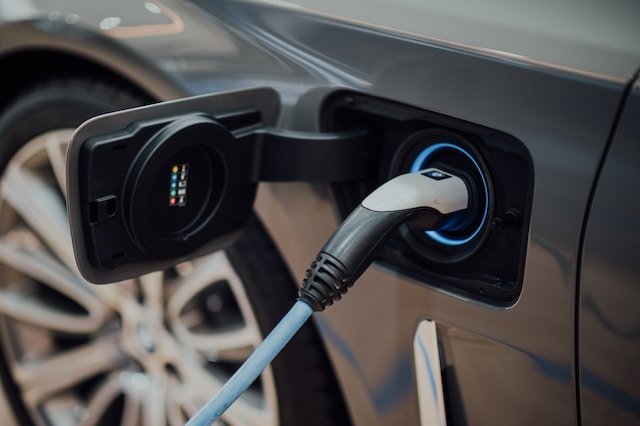
One of the biggest trends in the automotive industry is the rise of electric cars. These cars are powered by an electric motor instead of an internal combustion engine, making them much more efficient and environmentally friendly. Electric cars have seen huge growth in recent years, partly thanks to improved technology and falling prices.
Self-driving cars
Self-driving cars are a trend in the automotive industry, which is becoming increasingly realistic and the technology behind these cars continues to develop rapidly. Several major manufacturers are working on self-driving cars and it seems only a matter of time before these cars appear on the road. The advantage of autonomous cars is that these vehicles can be used for various purposes, such as parcel delivery and the transport of people and goods over long distances. Autonomous vehicles have the potential to improve the efficiency of the transport sector and reduce greenhouse gas emissions.
There are also a few disadvantages associated with driving a self-driving car. For example, problems can arise when digital data in the cloud is changed. It also has consequences for our society, as driving schools will have no work and the government will have less income from fines. Read more about the advantages and disadvantages of autonomous cars in this blog.
Sharing economy
In recent years, various initiatives have been launched allowing people to save money by sharing their cars. For example, you can offer empty seats to strangers who are travelling to the same destination. Would you be interested in travelling this way? Check out the pros and cons of car sharing in this blog.. More and more people are sharing their cars with others via platforms such as Uber and SnappCar. This can lead to reduced demand for private cars and an increase in the use of public transport and other shared mobility options.
Short-term lease
When you need a car for a short period, hiring one is very expensive. Additionally, the period is just too short for a full lease contract. Short lease is the perfect solution for this, as you lease a car for a short period for an agreed maximum number of kilometres and a monthly amount. Read more in this article about what short-lease entails.

Connectivity
Connectivity is also one of the main trends in the automotive industry. Cars are increasingly connected to the internet and to other devices, enabling them to share information and communicate with other cars. This can lead to improved safety, efficiency, and comfort for the driver and passengers.
Stay up to date annually
Annually, cars will be equipped with updates, integrating the latest hardware and software developments. The aim of these updates is to respond to the constantly changing needs of car users and potential buyers.
Trends and developments in the automotive industry
As a result of the five trends and developments mentioned above in the automotive industry, different mobility habits are also emerging. More miles will be driven per vehicle, but in electric or self-driving cars or through the concept of car sharing. Shared mobility in particular will increase significantly. This, in turn, has an effect on automotive suppliers. The automotive industry is changing rapidly, and the number of miles driven per vehicle is increasing, meaning manufacturers and suppliers must respond to these developments. This way, targeted innovations will be offered to car users. These customer-focused innovations will become increasingly important in the coming years. Furthermore, cars and individual car parts will need to be replaced more quickly due to their intensive use. This means that more cars will be sold, and manufacturers will have to produce more cars more quickly to meet the increasing demand.