


Checking your car's oil level is one of the most crucial steps to ensure your vehicle continues to run smoothly and that the engine performs well. Read more about important substances in your car here. In this article, we will delve deeper into why checking the oil level is important and how you can check the oil level.
Why check the oil level?
Checking the oil level is of great importance for ensuring the health and performance of your engine. This is because oil performs several crucial functions within the engine. For instance, oil lubricates the moving parts of the engine, such as pistons, camshafts, and bearings. This reduces friction and wear, thereby extending the engine's lifespan. Oil also helps to dissipate excess heat generated during combustion in the engine. This prevents overheating and damage to engine components. Furthermore, it ensures a good seal between the pistons and cylinder walls. This prevents leaks. Lastly, oil protects metal surfaces against rust and corrosion. Have you rented a car? Read more here about what happens in the event of damage to the rental car.
How do you check the oil level?
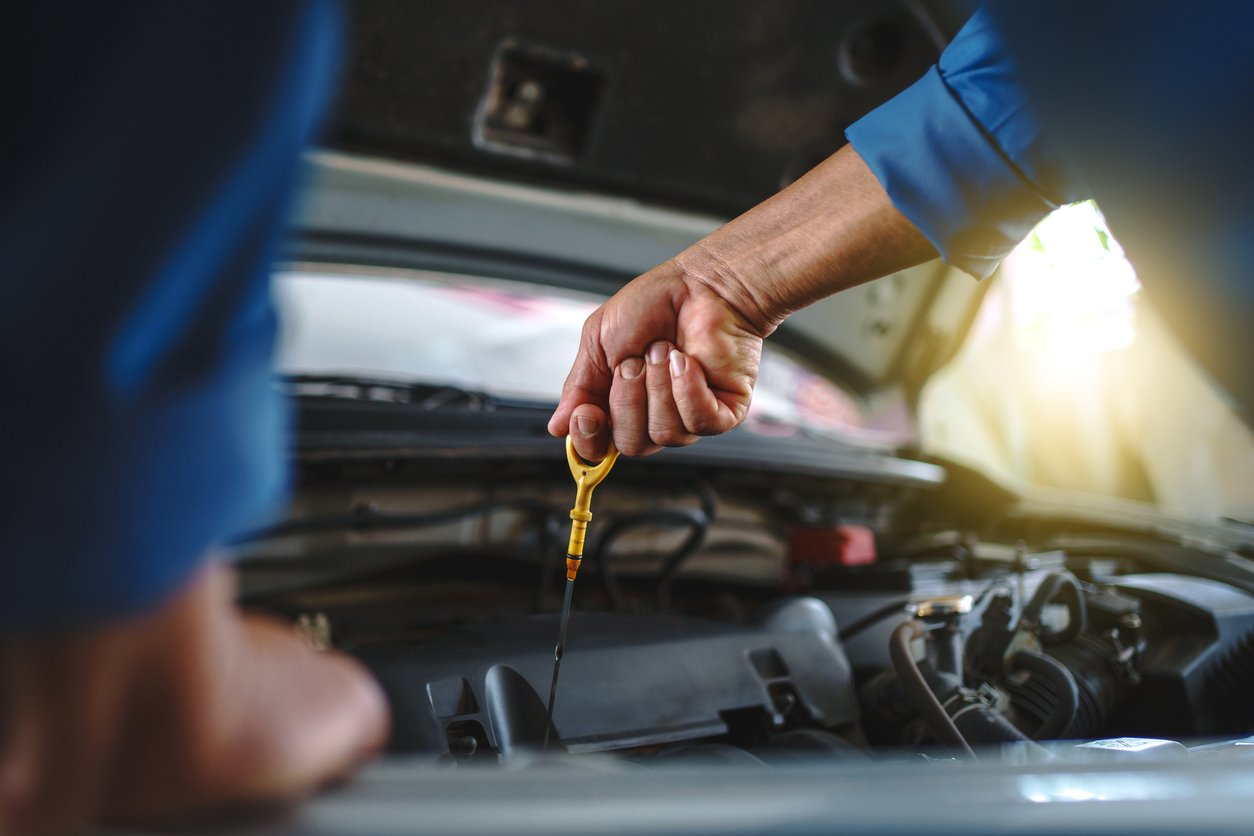
This is how you check the oil level. Park your car on a level surface. Turn off the engine and let it cool for a short while. Then, take out the dipstick and wipe it clean. After that, put it back in and, after a few seconds, pull it out again. You can now see how much oil you have. The oil level should be between the MIN and MAX markers; if it is, the oil level is good. If the amount of oil is below the minimum level, you need to top it up.
When is it necessary to check the oil level?
The best time to check the oil level is briefly after driving 2,000 kilometres or just before embarking on a long car journey. It is advisable to check your car before a longer trip anyway. For example, also consider checking your car battery. Read more here about how you can possibly charge this.
Furthermore, you must check the oil level when your car displays a warning. When you need to check the oil level, a light will illuminate. It looks like an oil can with drips coming out. When you see this symbol light up, there is an issue with the oil level or oil pressure. Do not continue driving when this light is on. The symbol can light up yellow. This is a sign that the engine oil level is too low. However, it can also light up orange or even red, in which case it is critical to drive.
Can you drive with too high an oil level?
You also shouldn't drive a car with an oil level that is too high, as this can also damage your engine. An oil level that is too high can lead to increased pressure in the engine's oil system. This can damage seals and gaskets and cause leaks. Visit a garage to lower the level again. The mechanics can drain off the excess oil.
How do you top up oil?
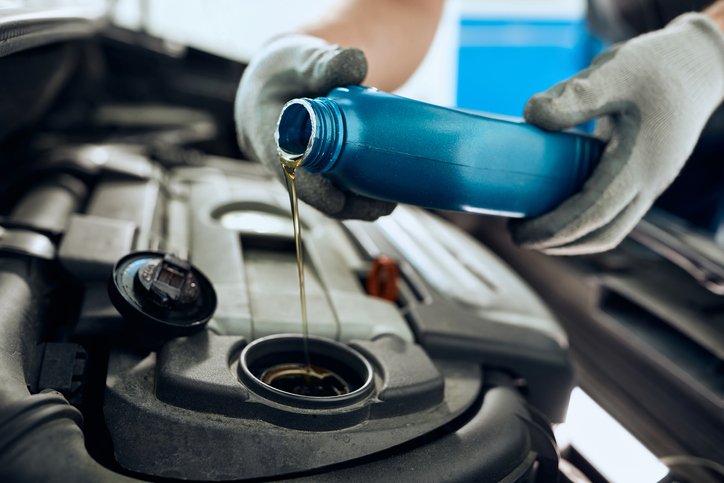
When your oil level is below the lower marking, you should top up your car's oil. In this blog Read how much oil your car needs. Gradually top up the oil. Re-check the level with the dipstick each time until the oil is above this minimum line again. You can then put the dipstick away.
Can any oil be used?
It is preferable to top up the oil with the same type of oil that is already in the system. This is because engine oils are available in different viscosity grades, indicated by numbers such as 5W-30 or 10W-40. The correct viscosity is essential to ensure that the oil provides proper lubrication at both low and high temperatures. Furthermore, cars are designed to operate with oils that meet the specifications and standards set by the manufacturer. Using the correct engine oil is essential to ensure the performance and durability of the engine.