


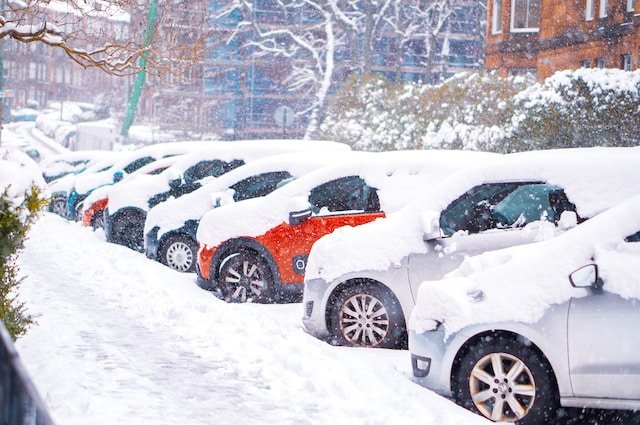
The winter season can be beautiful, with its snow-covered landscapes and the feeling of winter sports. However, driving in the snow can be a challenge, especially if your car gets stuck in a pile of snow after parking or after skidding off the road. Whether you are on your way to work or on a holiday in the mountains, it is important to know how to get your car out of the snow. In this blog, we'll share some useful tips on how to get your car out of the snow.
Clear the snow around the car
The first step to getting your car out of the snow is to shovel away the snow around the car. Use a snow shovel or another type of shovel for this. If you don't have one, put on gloves and start digging the snow away. Begin by removing snow from the exhaust pipe and clear it from around the wheels. Make sure to remove all snow that obstructs the car's movement.
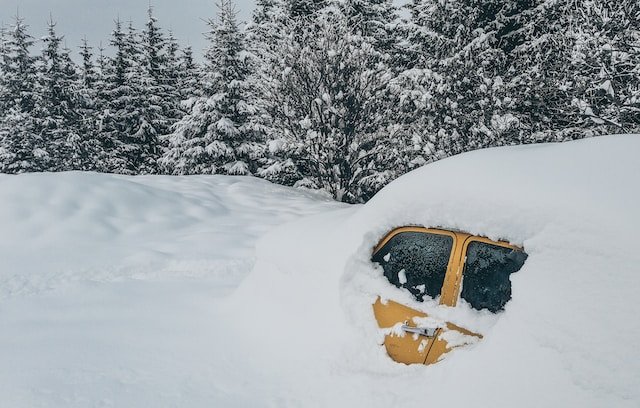
Turn off traction control
When your car is stuck in the snow, it's important to get your tyres to grip again. Turning off the traction control can help with this. Normally, this system ensures that wheels don't slip when accelerating too hard or on wet roads. When your car is stuck in the snow, traction control actually works the opposite way. By switching off this function, the wheels get a bit more movement, giving you better grip on the road surface when driving away. Once you're out of the snow, turn traction control back on.
Lowest gear
Getting your car out of the snow by flooring it won't work. That way, your tyres will just spin and you'll dig yourself deeper into the snow. Put your car in the lowest gear and gently press the accelerator. Give measured gas, otherwise you'll end up with wheel spin, which in the most extreme case can lead to the tyre exploding.
Try to get off previously followed tracks
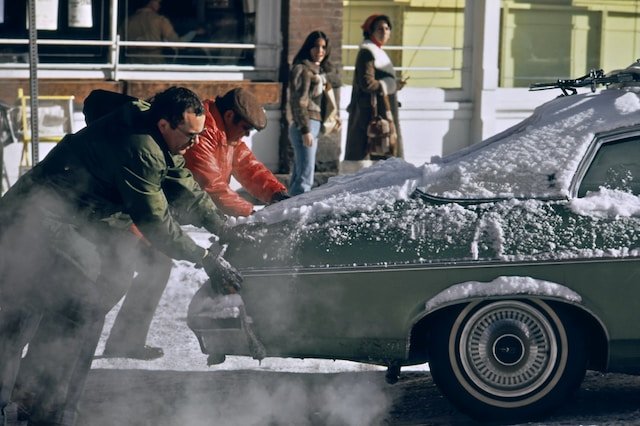
Unable to get your car out of the snow with gentle acceleration? You can ask one or two people to rock your car back and forth while you stay in the car and accelerate. This will help you get out of existing tracks, making it easier to get grip. In any case, make sure your wheels are straight and drive forwards and backwards until you get grip.
If this does not work, you can also try placing mats or pieces of cardboard in front of the driven wheels. Spreading salt or antifreeze can also help. Both substances will melt the ice around your tyres. However, you must clean up antifreeze immediately as it is toxic to the environment.
The automatic works a little differently
An automatic car drives a little differently to a manual. When you drive an automatic, you constantly switch between drive and reverse. With a manual, you switch between second gear and reverse gear. Read more in this blog for tips on how to drive with an automatic in snow..
Lower tyre pressure
Friction can also be caused by reducing tyre pressure. This involves letting some air out of your tyre. However, you should only do this if you can immediately reinflate the tyre afterwards. After all, if the tyre pressure is not correct when you are on the road, this can have nasty consequences for your tyres.
Set off prepared
In case of snowfall and icy conditions, it is advisable to stay at home, but sometimes you just have to go out. In such cases, set off well-prepared. Get your car ready for winter by, for example, fitting the right tyres. Read this article on how to get your car ready for winter.. Winter tyres are always recommended in snow and wintery conditions. Read here about the risks of driving with summer tyres in the snow. Always take something to drink and eat with you, so you have something to eat and drink if you break down. In any case, ensure that you adapt your driving style to the winter weather conditions. Read our tips for driving in the snow here.